| @@ -1,34 +1,81 @@ |
| | − | ### Statement |
| | + | ### Statement |
| | | |
| | − | $6.2.10.$ Two infinite planes intersecting at an angle $\alpha$ divide space into four regions. What is the electric field strength in regions 1 and 2 if the surface charge density of the planes is $\pm \sigma$? |
| | + | \\\\\\\$6.2.10.\\\\\\\$ Two infinite planes intersecting at an angle \\\\\\\$\\\\\\\\alpha\\\\\\\$ divide space into four regions. What is the electric field strength in regions 1 and 2 if the surface charge density of the planes is \\\\\\\$\\\\\\\\pm \\\\\\\\sigma\\\\\\\$? |
| | | |
| | + | 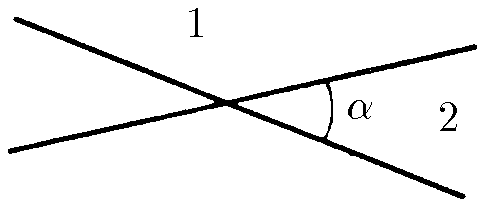 |
| | + | |
| | | ### Solution |
| | | |
| | − | The electric field intensity for a single infinite plane with surface charge density $\sigma$ is: |
| | + | Consider the following figure... |
| | | |
| | − | $$E = \frac{\sigma}{2\epsilon_0}$$ |
| | + |  |
| | | |
| | − | #### Region 1 |
| | − | In the $y$-direction: |
| | − | $$E_{R1y} = E - E \cos{\alpha} = \frac{\sigma}{2\epsilon_0}(1-\cos{\alpha})$$ |
| | + | It's known that the electric field intensity for one of the faces of a infinite plane with surface charge density is \\\\\\\$E = \\\\\\\\frac{\\\\\\\\sigma}{2\\\\\\\\varepsilon_0}\\\\\\\$. |
| | | |
| | − | In the $x$-direction: |
| | − | $$E_{R1x} = E \sin{\alpha} = \frac{\sigma}{2\epsilon_0}\sin{\alpha}$$ |
| | + | For region 1 (see part \\\\\\\$a\\\\\\\$ of above figure): |
| | | |
| | − | Using $E_{R1} = \sqrt{E_{R1x}^2 + E_{R1y}^2}$ and the identity $\sin{\frac{\alpha}{2}} = \sqrt{\frac{1-\cos{\alpha}}{2}}$: |
| | + | \\\\\\\$\\\\\\\$ |
| | + | E_{R1y} = E - E \\\\\\\\cos{\\\\\\\\alpha} = \\\\\\\\frac{\\\\\\\\sigma}{2\\\\\\\\varepsilon_0}(1-\\\\\\\\cos{\\\\\\\\alpha}) |
| | + | \\\\\\\$\\\\\\\$ |
| | | |
| | − | #### Answer 1: |
| | − | $$E_{R1} = \frac{\sigma}{\epsilon_0}\sin{\frac{\alpha}{2}}$$ |
| | + | and for \\\\\\\$x\\\\\\\$-direction, |
| | | |
| | + | \\\\\\\$\\\\\\\$ |
| | + | E_{R1x} = E \\\\\\\\sin{\\\\\\\\alpha} = \\\\\\\\frac{\\\\\\\\sigma}{2\\\\\\\\varepsilon_0}\\\\\\\\sin{\\\\\\\\alpha}. |
| | + | \\\\\\\$\\\\\\\$ |
| | | |
| | − | #### Region 2 |
| | − | In the $y$-direction: |
| | − | $$E_{R2y} = E(1+\cos{\alpha}) = \frac{\sigma}{2\epsilon_0}(1+\cos{\alpha})$$ |
| | + | So, as |
| | | |
| | − | In the $x$-direction: |
| | − | $$E_{R2x} = E \sin{\alpha} = \frac{\sigma}{2\epsilon_0}\sin{\alpha}$$ |
| | + | \\\\\\\$\\\\\\\$ |
| | + | E_{R1} = \\\\\\\\sqrt{E_{R1x}^2+E_{R1y}^2}, |
| | + | \\\\\\\$\\\\\\\$ |
| | | |
| | − | Using $E_{R2} = \sqrt{E_{R2x}^2 + E_{R2y}^2}$ and the identity $\cos{\frac{\alpha}{2}} = \sqrt{\frac{1+\cos{\alpha}}{2}}$: |
| | + | and taking in account that |
| | | |
| | − | #### Answer 2: |
| | − | $$E_{R2} = \frac{\sigma}{\epsilon_0}\cos{\frac{\alpha}{2}}$$ |
| | + | \\\\\\\$\\\\\\\$ |
| | + | \\\\\\\\sin{\\\\\\\\alpha} = \\\\\\\\sqrt{\\\\\\\\frac{1-\\\\\\\\cos{\\\\\\\\alpha}}{2}}, |
| | + | \\\\\\\$\\\\\\\$ |
| | + | |
| | + | it is obtained |
| | + | |
| | + | #### Answer 1 |
| | + | |
| | + | \\\\\\\$\\\\\\\$ |
| | + | E_{R1} = \\\\\\\\frac{\\\\\\\\sigma}{\\\\\\\\varepsilon_0}\\\\\\\\sin{\\\\\\\\frac{\\\\\\\\alpha}{2}} |
| | + | \\\\\\\$\\\\\\\$ |
| | + | |
| | + | For region 2, for \\\\\\\$y\\\\\\\$-direction: |
| | + | |
| | + | \\\\\\\$\\\\\\\$ |
| | + | E_{R2y} = E(1+\\\\\\\\cos{\\\\\\\\alpha})=\\\\\\\\frac{\\\\\\\\sigma}{2\\\\\\\\varepsilon_0}(1+\\\\\\\\cos{\\\\\\\\alpha}) |
| | + | \\\\\\\$\\\\\\\$ |
| | + | |
| | + | and for \\\\\\\$x\\\\\\\$-axis, |
| | + | |
| | + | \\\\\\\$\\\\\\\$ |
| | + | E_{R2x} = E\\\\\\\\sin{\\\\\\\\alpha} = \\\\\\\\frac{\\\\\\\\sigma}{2\\\\\\\\varepsilon_0}\\\\\\\\sin{\\\\\\\\alpha}. |
| | + | \\\\\\\$\\\\\\\$ |
| | + | |
| | + | Again, |
| | + | |
| | + | \\\\\\\$\\\\\\\$ |
| | + | E_{R2} = \\\\\\\\sqrt{E_{R2x}^2+E_{R2y}^2} |
| | + | \\\\\\\$\\\\\\\$ |
| | + | |
| | + | and taking in account that |
| | + | |
| | + | \\\\\\\$\\\\\\\$ |
| | + | \\\\\\\\cos{\\\\\\\\frac{\\\\\\\\alpha}{2}} = \\\\\\\\sqrt{\\\\\\\\frac{1+\\\\\\\\cos{\\\\\\\\alpha}}{2}} |
| | + | \\\\\\\$\\\\\\\$ |
| | + | |
| | + | #### Answer 2 |
| | + | |
| | + | \\\\\\\$\\\\\\\$ |
| | + | E_{R2} = \\\\\\\\frac{\\\\\\\\sigma}{\\\\\\\\varepsilon_0}\\\\\\\\cos{\\\\\\\\frac{\\\\\\\\alpha}{2}} |
| | + | \\\\\\\$\\\\\\\$ |
| | + | |
| | + | |
| | + | |
| | + | |
| | + | |
| | + | |